


For many entrepreneurs and global brands, the idea of product sourcing from China feels both exciting and intimidating. On one hand, China offers unmatched manufacturing capacity, competitive pricing, and scalable production. On the other, one wrong supplier, unclear contract, or missed inspection can cost tens of thousands of dollars – or worse, damage your brand permanently.
The difference between success and failure isn’t luck. It’s process. When sourcing is approached strategically – with structure, verification, and a clear roadmap – it becomes predictable, manageable, and highly profitable. This guide walks you step by step through how the process works in 2026, so you can move forward with confidence instead of uncertainty.
Building a Smart Sourcing Strategy Before You Contact Suppliers
Before sending your first inquiry email, you need a defined sourcing strategy. Many businesses skip this phase and immediately start browsing supplier platforms, which often leads to inconsistent pricing, unclear specifications, and avoidable risk.
Defining Product Requirements With Strategic Precision
Every successful sourcing journey begins with clarity. That includes detailed product specifications, materials, tolerances, packaging requirements, and compliance standards. Without documented requirements, suppliers interpret your request differently – which leads to inconsistent samples and pricing.
This is where Product Design plays a critical role. Aligning your engineering, branding, and logistics requirements before contacting factories prevents expensive revisions later.
Understanding the China Manufacturing Process
The China manufacturing process often includes multiple tiers of subcontractors. A factory may handle final assembly while sourcing components from separate suppliers. Understanding this layered structure helps you ask the right questions about production capacity, quality control, and lead times.
When businesses understand how manufacturing flows internally, they gain leverage during negotiation and timeline planning.
How to Find Reliable Chinese Suppliers Without Costly Mistakes
Identifying suppliers is easy. Identifying the right suppliers requires diligence. Thorough verification, factory audits, clear communication, and sample testing are essential to avoid quality issues and delays.

Businesses should evaluate certifications, production capacity, and track records before committing. Taking time to validate partners upfront reduces risk, protects margins, and builds long-term sourcing success.
Evaluating Suppliers Beyond Online Listings
Learning how to find reliable Chinese suppliers involves more than checking reviews. Businesses should request company registration documents, certifications, and production capacity details. Video factory tours and third-party audits add another layer of verification.
Serious buyers typically evaluate:
- Business licenses and export credentials
- Quality management certifications
- Production line capabilities
- Client references
This structured vetting dramatically reduces long-term risk.
Comparing Direct Factory vs Sourcing Services
Some companies work directly with factories, while others use sourcing agents. Understanding sourcing services explained helps clarify which approach fits your risk tolerance and operational capacity.
| Model | Advantages | Primary Trade-Off |
| Direct Factory | Lower unit cost | Requires more oversight |
| Sourcing Agent | Local expertise & vetting | Service fees |
For new importers, structured guidance often prevents costly early errors.
Sampling and Quality Validation – The Critical Control Phase
Once a supplier is shortlisted, sampling begins. This stage is where many businesses uncover hidden inconsistencies.
Why Factory Inspection & Audit Matters Early
Engaging in Factory Inspection & Audit services before mass production ensures the supplier meets agreed specifications. Inspections verify raw materials, machinery quality, and operational standards.
Skipping this step increases the risk of large-scale defects.
Testing, Revising, and Locking Final Specifications
Sample revisions may require several iterations. Clear communication and documented adjustments prevent misunderstandings during mass production.
This phase builds alignment and protects your brand from avoidable quality disputes.
Contracts, Compliance, and Protecting Your Intellectual Property
International sourcing requires legal clarity. Well-structured contracts define quality standards, payment terms, delivery timelines, and dispute resolution procedures, reducing misunderstandings and financial risk. Clear compliance measures ensure adherence to local regulations, import/export laws, and industry standards.

Protecting intellectual property is equally critical-trademarks, patents, NDAs, and manufacturing agreements safeguard designs, branding, and proprietary processes. Strong legal foundations not only prevent costly disputes but also create secure, long-term global partnerships.
Using China IP Services for Protection
Many companies underestimate intellectual property risk. Leveraging China IP Services ensures trademarks, patents, and design protections are registered locally – not just in your home country.
Contracts should clearly outline:
- Ownership of molds and tooling
- Non-disclosure agreements
- Penalties for unauthorized production
Proactive protection minimizes long-term exposure.
Payment Terms and Risk Allocation
Standard payment structures often include deposits and balance payments tied to inspection approval. Aligning payments with production milestones protects buyers from incomplete shipments.
Clear contractual terms reduce ambiguity and establish professional expectations.
Mass Production and Quality Control Systems
Mass production requires oversight, not blind trust. Clear quality standards, in-line inspections, and third-party audits help ensure consistency at scale. Structured testing procedures and defined acceptance criteria reduce defects before products leave the factory.
By combining regular monitoring with transparent reporting, businesses can protect product integrity, maintain brand reputation, and avoid costly recalls or delays.
Monitoring Production for Supply Chain Efficiency
Maintaining supply chain efficiency requires monitoring production timelines and output consistency. In-process inspections identify problems early before they multiply across thousands of units.
Companies that implement layered inspection systems experience fewer disputes and lower return rates.
Final Pre-Shipment Inspection
Before goods leave the factory, final inspection confirms adherence to agreed standards. Independent third-party inspectors provide unbiased verification.
This final safeguard prevents costly rework once products arrive overseas.
Logistics and Overseas Product Procurement
Once production is complete, logistics coordination begins. Efficient freight planning, customs documentation, and reliable shipping partners are essential to avoid delays and unexpected costs. Clear communication between suppliers, freight forwarders, and warehouses ensures smooth transitions from factory to final destination.
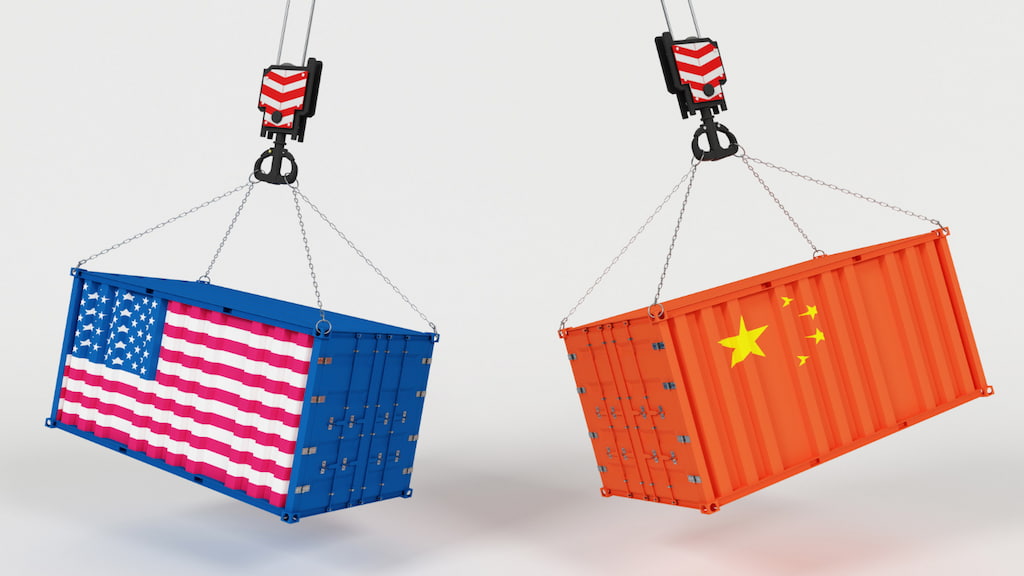
A well-managed overseas procurement process reduces transit risks, improves delivery timelines, and keeps inventory flowing without disruption.
Managing Overseas Product Procurement Smoothly
Effective overseas product procurement requires coordination between freight forwarders, customs brokers, and warehouse teams. Shipping methods – air, sea, or rail – affect cost and delivery speed.
Understanding Incoterms and tariff classifications reduces unexpected charges at customs.
Shipping Timeline and Cost Comparison
| Shipping Method | Speed | Cost Level |
| Air Freight | Fast (5–10 days) | High |
| Ocean Freight | Slower (20–40 days) | Lower |
| Rail | Moderate | Mid-range |
Choosing the right method depends on inventory planning and market demand.
Brand Customization and Value-Added Enhancements
Sourcing does not end with production. Packaging design, labeling, product modifications, and quality refinements all add value before goods reach the market. These enhancements help differentiate your brand, strengthen customer perception, and support premium pricing.
Strategic customization ensures products align with brand identity while maintaining cost efficiency and production consistency.
Integrating Brand Customization
Through Brand Customization, companies can add packaging modifications, labeling, and localized marketing elements either at the factory level or through fulfillment centers.
These enhancements strengthen brand identity while maintaining operational flexibility.
Long-Term Supplier Relationship Management
Successful sourcing evolves into partnership. Strong, long-term relationships with suppliers foster trust, transparency, and consistent performance. Regular communication, performance reviews, and shared planning help align expectations and improve efficiency over time.
By treating suppliers as strategic partners rather than transactional vendors, businesses gain greater stability, better pricing leverage, and stronger collaboration for future growth.
Continuous Improvement and Re-Negotiation
Regular performance reviews improve consistency and pricing stability. Suppliers who see long-term commitment often prioritize your orders during peak seasons.
Strong communication builds trust and operational reliability.
Final Thoughts: Turning Sourcing Into a Strategic Advantage
Understanding how product sourcing from China works step by step transforms uncertainty into opportunity. Businesses that implement structured vetting, inspection, IP protection, and logistics coordination gain more than cost savings – they gain predictability.
Sourcing is not about chasing the cheapest quote. It is about building a reliable system that protects your brand, supports growth, and strengthens global competitiveness.
FAQ
Is sourcing from China still profitable in 2026?
Yes, but profitability depends on structured planning rather than chasing the lowest price. Companies that conduct supplier vetting, inspections, and proper contract management consistently maintain healthy margins. Those who skip due diligence often face hidden costs that eliminate initial savings.
How long does the sourcing process typically take?
Initial supplier research may take several weeks. Sampling and revisions can require additional time depending on product complexity. Full production and shipping often range from 60-120 days. Planning ahead prevents seasonal delays and stockouts.
What is the biggest mistake new importers make?
The most common mistake is prioritizing price over reliability. Cheap quotes often mask poor quality control or limited production capacity. A balanced evaluation that considers quality, communication, and compliance reduces long-term risk.
Should small businesses use sourcing agents?
For businesses without local experience or language fluency, sourcing agents can simplify supplier verification and inspection coordination. However, contracts should clearly define responsibilities and fee structures to avoid misunderstandings.
How can companies protect their product designs?
Registering trademarks and patents locally through China IP Services is critical. Additionally, splitting production between multiple suppliers or retaining control of key components can reduce exposure to replication risks.
How does sourcing impact overall supply chain efficiency?
When managed strategically, sourcing strengthens global distribution systems. Clear forecasting, aligned production schedules, and structured logistics planning improve inventory turnover and reduce emergency freight costs.
Sources: