


If you’re manufacturing overseas or working with contract factories, you face a silent but dangerous risk: becoming just another commodity seller. When products look identical, compete only on price, and lack emotional connection, margins shrink fast. That’s why brand customization services are no longer optional – they are the difference between building a scalable brand and fighting in a race to the bottom.
In today’s competitive global market, especially when manufacturing in China or other sourcing hubs, smart companies integrate branding directly into production. From private labeling and packaging to IP protection and inspection protocols, your manufacturing decisions shape how customers perceive your product. This guide explains exactly how to build your brand strategically within manufacturing – so you control perception, pricing power, and long-term growth.
The Powerful Shift From Commodity Products to Branded Assets
Too many businesses treat manufacturing as a cost exercise. The smarter approach is to treat it as a branding engine. When production is viewed strategically, every decision-from materials and packaging to quality standards and customization-contributes to brand perception and long-term market positioning.
Instead of competing solely on price, companies can differentiate through consistency, design refinement, and value-added features that strengthen customer loyalty. Thoughtful manufacturing transforms generic products into branded assets that command stronger margins and build recognition in competitive markets.
Why Custom Product Branding Starts at the Factory Level
Strong custom product branding begins long before your product reaches a warehouse. It starts during sourcing, specification development, and packaging design. If branding decisions are delayed until after production, you lose opportunities to differentiate materials, finishes, and user experience.
This is why aligning with your Product Sourcing & Manufacturing strategy is critical. Manufacturing partners must understand not only how to build the product, but how to express your brand through it.
The Hidden Risk of Ignoring Brand Customization
Without a clear branding strategy, manufacturers may default to generic templates. This leads to:
- indistinguishable packaging
- inconsistent labeling
- weak shelf appeal
- reduced pricing leverage
By integrating branding directly into production workflows, you avoid becoming interchangeable.
OEM vs ODM China: The Critical Decision That Shapes Your Brand Identity
One of the first strategic decisions in manufacturing is choosing between OEM and ODM. This choice directly influences product control, customization flexibility, development costs, and long-term brand positioning.

OEM (Original Equipment Manufacturing) allows businesses to provide their own product designs while the factory handles production. This model offers greater control over specifications, materials, and branding-making it ideal for companies building a distinct identity.
ODM (Original Design Manufacturing), on the other hand, involves selecting pre-developed products that manufacturers can customize with your branding. While faster and often more cost-efficient, it offers less exclusivity.
Understanding the differences between OEM and ODM in China helps businesses align manufacturing strategy with their growth goals and competitive positioning.
Understanding OEM vs ODM China for Strategic Positioning
In OEM vs ODM China models, the distinction determines how much control you have over design and differentiation.
| Model | Definition | Brand Control Level |
|---|---|---|
| OEM | Manufacturer builds based on your design | High |
| ODM | Manufacturer provides pre-designed product | Moderate to Low |
OEM allows deeper brand identity control but requires strong Product Design input. ODM can accelerate time-to-market but limits differentiation.
Choosing the Right Model for Private Label China Success
If your goal is private label China production, OEM often offers more flexibility for unique materials, finishes, and custom features. However, ODM may suit businesses testing market demand with lower upfront investment.
Your decision must align with long-term brand vision, not just immediate cost savings.
Branding Strategies for Sourced Products That Actually Create Differentiation
When working with overseas manufacturers, branding must be intentional. A logo alone is not enough. Differentiation comes from customized packaging, consistent design elements, refined product details, and clear positioning.
By aligning production decisions with brand identity, businesses turn standard sourced products into recognizable, higher-value assets that stand out in competitive markets.
Integrating Branding Strategies for Sourced Products
Effective branding strategies for sourced products include aligning design, packaging, and storytelling with production capabilities. This is where coordination with Supply Chain & Warehousing becomes important. Packaging size affects freight costs, warehouse storage, and fulfillment efficiency.
Your branding strategy should consider:
- material selection
- logo placement
- color consistency
- packaging durability
Every production decision communicates brand value.
The Role of Custom Packaging in Perceived Quality
Custom packaging is often the first physical touchpoint customers experience. High-quality packaging signals reliability and premium positioning.
However, packaging must also align with logistics planning. Oversized packaging increases shipping costs. Poor materials risk damage during transport.
Strategic integration between branding and operations avoids these pitfalls.
How Brand Customization Services Integrate With Product Design
Brand identity is not limited to visuals – it influences functionality. Customization services can shape materials, product features, packaging structure, and even user experience to align with brand positioning.

When branding is integrated early in the design phase, products feel cohesive rather than generic. This alignment ensures that every detail-from performance to presentation-supports recognition, consistency, and long-term market differentiation.
Aligning Product Design With Brand Promise
Your Product Design team should work directly with manufacturing partners to ensure materials, finishes, and features reflect your brand positioning. If your brand promises durability, the product must physically demonstrate it.
Design decisions made early reduce expensive revisions later in production.
Factory Inspection & Audit: Protecting Brand Consistency
Even the strongest branding fails if quality fluctuates. Integrating Factory Inspection & Audit protocols ensures consistency.
Inspections verify:
- material quality
- packaging accuracy
- labeling compliance
- functional performance
This protects brand reputation before goods enter distribution channels.
Protecting Intellectual Property With China IP Services
When customizing products, intellectual property becomes more valuable. Unique designs, product modifications, logos, and packaging concepts all represent brand assets that require protection.
Using China IP services such as trademark registration, design patents, and manufacturing agreements helps safeguard these assets before mass production begins. Clear legal documentation, non-disclosure agreements, and well-structured contracts reduce the risk of imitation or unauthorized use.
Proactive protection ensures that brand differentiation remains secure while scaling production in competitive markets.
Why China IP Services Are Non-Negotiable
Registering trademarks, patents, and design rights locally through China IP Services prevents unauthorized replication. Many businesses mistakenly assume home-country protection is sufficient.
Clear contracts and IP filings reduce the risk of counterfeit products entering the market.
IP Strategy as a Branding Asset
Legal protection isn’t just defensive – it increases brand valuation. Investors and distributors prefer brands with secured intellectual property.
Protecting your innovations strengthens long-term positioning.
Comparing Basic Manufacturing vs Integrated Brand Customization
| Approach | Brand Impact | Long-Term Value |
|---|---|---|
| Basic Contract Manufacturing | Minimal differentiation | Price-based competition |
| Integrated Brand Customization | Strong identity & premium positioning | Higher margins & loyalty |
This comparison highlights why integrated branding strategies outperform purely transactional sourcing models.
How Brand Customization Connects With Supply Chain & Warehousing
Brand perception does not end at production. Packaging protection, labeling accuracy, and organized warehousing all influence how products arrive and how customers experience them.
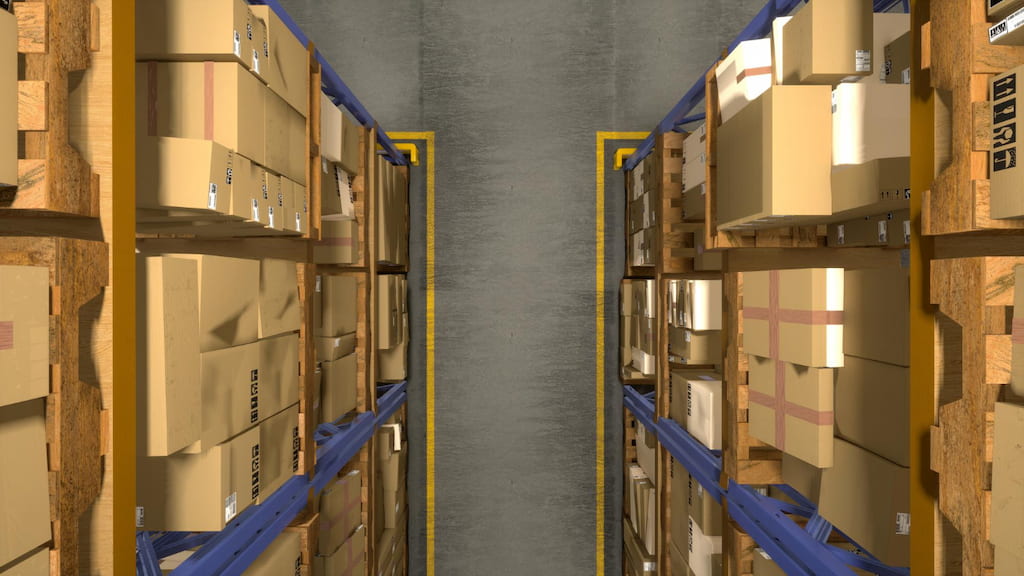
When supply chain and warehousing processes align with brand standards, consistency improves, returns decrease, and the overall customer experience remains strong from factory to final delivery.
Packaging and Fulfillment Alignment
Customized packaging affects pallet configuration, warehouse storage, and freight efficiency. Close coordination with Supply Chain & Warehousing teams ensures branding decisions do not unintentionally increase logistics costs.
Balancing aesthetics with operational practicality is critical.
From Product Sourcing to Brand Execution
If you want a deeper understanding of upstream manufacturing alignment, explore How Product Sourcing From China Works and Product Sourcing From China to see how sourcing decisions shape branding opportunities.
You can also reference The Complete Guide to Supply Chain Management and Warehousing for Global Brands for insight into downstream operational integration.
The Emotional Advantage of Strong Brand Customization Services
Branding influences perception before customers ever test functionality.
Strong visual identity, consistent packaging, and clear differentiation build trust. Customers often associate polished presentation with reliability.
When manufacturing and branding align, products command premium pricing and repeat purchases.
Final Thoughts: Turning Manufacturing Into a Brand-Building Engine
Building a brand through manufacturing requires more than adding a logo to a box. It requires strategic coordination between design, sourcing, inspection, packaging, and logistics.
When brand customization services are integrated properly, manufacturing becomes a strategic advantage – not just a production function. Businesses that embed branding into every stage of production gain stronger differentiation, pricing power, and long-term resilience in competitive markets.
FAQ
What are brand customization services in manufacturing?
Brand customization services involve integrating brand identity directly into product production. This includes logo placement, packaging design, material selection, and labeling. Rather than simply manufacturing generic goods, factories produce items tailored to reflect a specific brand identity.
Is OEM better than ODM for long-term brand growth?
OEM typically provides more control because products are built according to your specifications. This supports stronger differentiation. ODM can be useful for faster market entry but may limit customization depth. The best option depends on your budget and branding goals.
How does private label manufacturing differ from full customization?
Private label China manufacturing usually involves applying your branding to an existing product design. Full customization modifies features, materials, or structure to create a more distinctive offering. Full customization often delivers stronger differentiation but requires more development time.
Why is packaging so important for branding?
Packaging shapes first impressions. It communicates quality, positioning, and professionalism. However, packaging must also align with logistics planning to prevent unnecessary shipping and storage costs.
How can I protect my brand during overseas production?
Register trademarks and designs locally through China IP Services. Use clear contracts and conduct regular inspections. Splitting sensitive components between suppliers can also reduce replication risks.
How do inspections support brand reputation?
Inspections verify consistency before products reach customers. This reduces returns, negative reviews, and warranty claims. Maintaining quality standards reinforces brand trust and customer loyalty.
Sources: