


In 2026, Product Sourcing From China is no longer just about finding the lowest price-it’s about managing risk, navigating shifting trade policies, and building supply chain resilience in a world that has fundamentally changed. Tariff volatility, geopolitical tension, rising compliance requirements, and evolving buyer expectations have reshaped global trade. Yet despite these complexities, China remains one of the most powerful manufacturing hubs in the world.
The difference between companies that struggle and those that thrive comes down to strategy. Businesses that treat sourcing as a long-term, structured decision-not a transactional shortcut-gain cost stability, quality consistency, and competitive advantage. This guide will break down exactly what companies need to understand in 2026, and how to approach sourcing decisions with clarity and control.
The Strategic Power and Hidden Risks of Product Sourcing From China in 2026
China continues to dominate global manufacturing capacity across electronics, consumer goods, industrial components, and private-label production. Infrastructure, supplier ecosystems, and production scalability remain unmatched in many sectors. However, success today requires deeper due diligence than ever before.
Why China Still Leads Global Manufacturing
Despite diversification trends, China’s production capabilities remain highly sophisticated. The country offers integrated supply chains where raw materials, tooling, assembly, packaging, and export logistics often exist within the same region. This clustering reduces friction and shortens production cycles.
At the same time, labor costs have gradually increased, pushing manufacturers to automate and specialize. That shift has improved technical precision and efficiency-particularly in mid- to high-complexity manufacturing.
The Critical Risks Businesses Must Manage Carefully
However, the environment is more complex in 2026. Political tensions, tariff adjustments, compliance enforcement, and stricter import regulations require proactive planning. Companies entering sourcing relationships without risk mitigation frameworks are more vulnerable than ever.
The most common risk areas include:
- Supply chain disruptions caused by policy changes
- Inconsistent quality control without third-party verification
- IP protection challenges in certain industries
- Delays related to customs and documentation errors
Understanding these factors early allows businesses to design sourcing models that are resilient rather than reactive.
China Sourcing Trends 2026: What Is Changing and Why It Matters
The landscape is evolving rapidly. Companies that understand China sourcing trends 2026 will position themselves far ahead of competitors relying on outdated assumptions.

The Shift Toward Supplier Consolidation
In 2026, buyers are increasingly reducing the number of suppliers they work with and strengthening partnerships with fewer, more reliable manufacturers. This reduces coordination risk and improves accountability.
Strong supplier relationships now involve:
- Clear quality benchmarks
- Transparent pricing models
- Shared forecasting data
- Ongoing performance evaluation
Long-term alignment is becoming more valuable than short-term cost reductions.
Nearshoring and Hybrid Models Are Growing
While some businesses explore nearshoring to Mexico or Southeast Asia, many are adopting hybrid strategies. They retain core production in China while shifting certain SKUs elsewhere to reduce geopolitical exposure.
This hybrid structure aligns with broader global procurement trends, where resilience and diversification outweigh purely cost-driven decision-making.
Building a Resilient Sourcing Strategy in 2026
A successful sourcing plan today is built around structure, not assumptions. In 2026, resilience means diversifying suppliers, strengthening partnerships, and using data to guide decisions. Businesses must reduce dependency on single regions, improve supply chain visibility, and create clear contingency plans.
With the right systems and ongoing evaluation, companies can stay agile, manage risk effectively, and maintain consistent performance even in uncertain market conditions.
Supplier Vetting: The Powerful First Step
Effective supplier vetting requires more than reviewing a website or catalog. In 2026, professional buyers rely on:
- Factory audits
- Compliance documentation verification
- Production capacity analysis
- On-site or third-party inspections
These structured checks significantly reduce long-term disruption.
Contracts and Payment Terms: Protecting Your Business
Clear contracts outlining quality standards, intellectual property clauses, and production timelines are essential. Payment structures should balance risk-for example, staged payments tied to inspection milestones.
Without formal agreements, disputes become costly and difficult to resolve internationally.
Cost Structure Breakdown: Beyond the Unit Price
Many companies focus only on per-unit pricing. In reality, landed cost determines profitability.
| Cost Component | Description | Risk Factor |
| Manufacturing Cost | Base production price | Material price volatility |
| Shipping & Freight | Ocean or air transport | Fuel price fluctuations |
| Tariffs & Duties | Import taxes | Policy changes |
| Inspection & Compliance | Quality checks & certification | Regulatory tightening |
Evaluating all cost layers ensures a realistic financial projection instead of relying on supplier quotes alone.
Quality Control: The Non-Negotiable Advantage
Quality management is where many sourcing relationships fail. In 2026, structured inspection protocols are standard practice.
Pre-Production and In-Process Inspections
Pre-production inspections verify materials before mass manufacturing begins. In-process inspections catch issues early, reducing waste and rework costs.
Third-party inspections have become common practice among serious buyers, offering neutral verification and measurable quality data.
Final Inspection Before Shipment
Final inspections confirm compliance with agreed specifications. Skipping this step can result in costly returns, damaged brand reputation, and logistical headaches.
Companies that prioritize structured quality control consistently outperform those relying solely on supplier assurances.
Logistics and Lead Times: The Strategic Balance
Global shipping remains vulnerable to congestion, fuel shifts, and port slowdowns. Lead time forecasting is now a strategic function, not an afterthought.
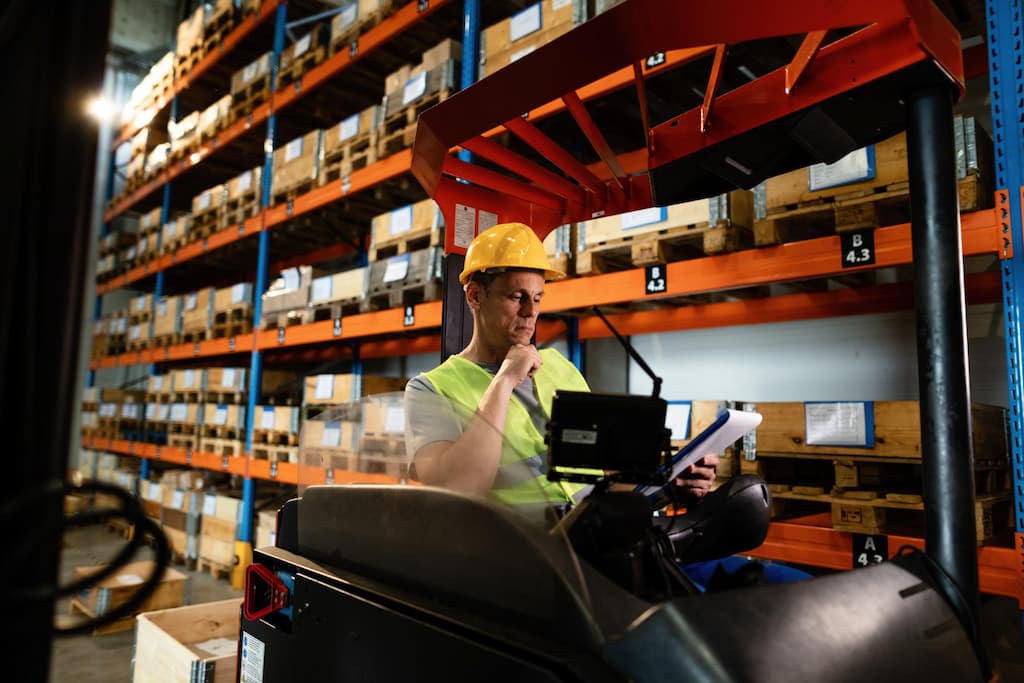
Businesses that build buffer inventory and flexible freight strategies are better positioned to handle volatility without stockouts.
Comparing Sourcing Models in 2026
| Sourcing Model | Advantages | Primary Risk |
| China-Only Model | Scale & cost efficiency | Geopolitical exposure |
| Hybrid Model | Diversified risk | Higher coordination complexity |
| Nearshore Model | Shorter lead times | Higher unit cost |
This comparison highlights why many firms are moving toward balanced strategies rather than abandoning China entirely.
Compliance and Regulatory Considerations
Import regulations in the United States are increasingly strict, especially for electronics, textiles, and consumer products. Businesses must ensure compliance with labeling standards, environmental requirements, and safety certifications.
Failure to comply can result in shipment seizures or costly recalls.
Leveraging Data for Smarter Procurement Decisions
Technology plays a larger role in 2026 sourcing decisions. Digital dashboards, ERP integration, and supply chain analytics allow companies to track supplier performance and cost fluctuations in real time.
Data-driven decisions reduce uncertainty and improve forecasting accuracy.
Sourcing Strategy Tips That Deliver Long-Term Stability
Developing effective sourcing strategy tips requires thinking beyond short-term savings. Long-term supplier alignment, diversified production strategies, and consistent communication outperform reactive buying behavior.
Companies that revisit sourcing frameworks annually are better prepared for global shifts.
Final Thoughts: The Smart Way Forward in 2026
In 2026, Product Sourcing From China remains a powerful opportunity-but only for companies that treat it as a strategic initiative rather than a cost shortcut. Businesses that invest in structured vetting, quality assurance, diversified sourcing models, and proactive risk management will continue to benefit from China’s unmatched manufacturing scale.
The future belongs to companies that source intelligently, not cheaply.
FAQ
Is China still the best option for manufacturing in 2026?
China remains one of the most capable and efficient manufacturing hubs globally, particularly for complex or high-volume production. While alternative markets are growing, China’s infrastructure, supplier ecosystem, and manufacturing expertise still provide significant advantages. However, businesses must approach sourcing strategically and consider diversification where appropriate.
How can businesses reduce risk when sourcing internationally?
Risk reduction begins with structured supplier vetting, clear contracts, third-party inspections, and diversified sourcing models. Businesses should also monitor geopolitical changes and maintain contingency plans. Working with experienced logistics and compliance professionals further reduces exposure.
Are tariffs likely to increase in 2026?
Tariff policies can shift depending on trade negotiations and political developments. While no one can predict changes with certainty, businesses should model multiple cost scenarios to remain financially prepared. Flexibility in pricing strategy is key.
How long does it typically take to establish a new supplier relationship?
Initial supplier identification may take several weeks, but full vetting, sample approval, and production readiness can take several months. Companies that rush this process often encounter quality or compliance problems later.
Should small businesses consider sourcing from China?
Yes, but small businesses must approach sourcing with discipline. Starting with smaller test orders, leveraging inspections, and maintaining tight communication channels are essential for minimizing risk.
Is it better to work directly with factories or sourcing agents?
Both approaches have advantages. Direct factory relationships offer cost transparency, while sourcing agents provide local oversight and supplier vetting expertise. The right choice depends on company size, experience level, and risk tolerance.
Sources: